Письмо
Когда дети перестают ждать
Самое страшное начинается не тогда, когда ребёнку от вас слишком много нужно. А тогда, когда ему от вас уже ничего не нужно.
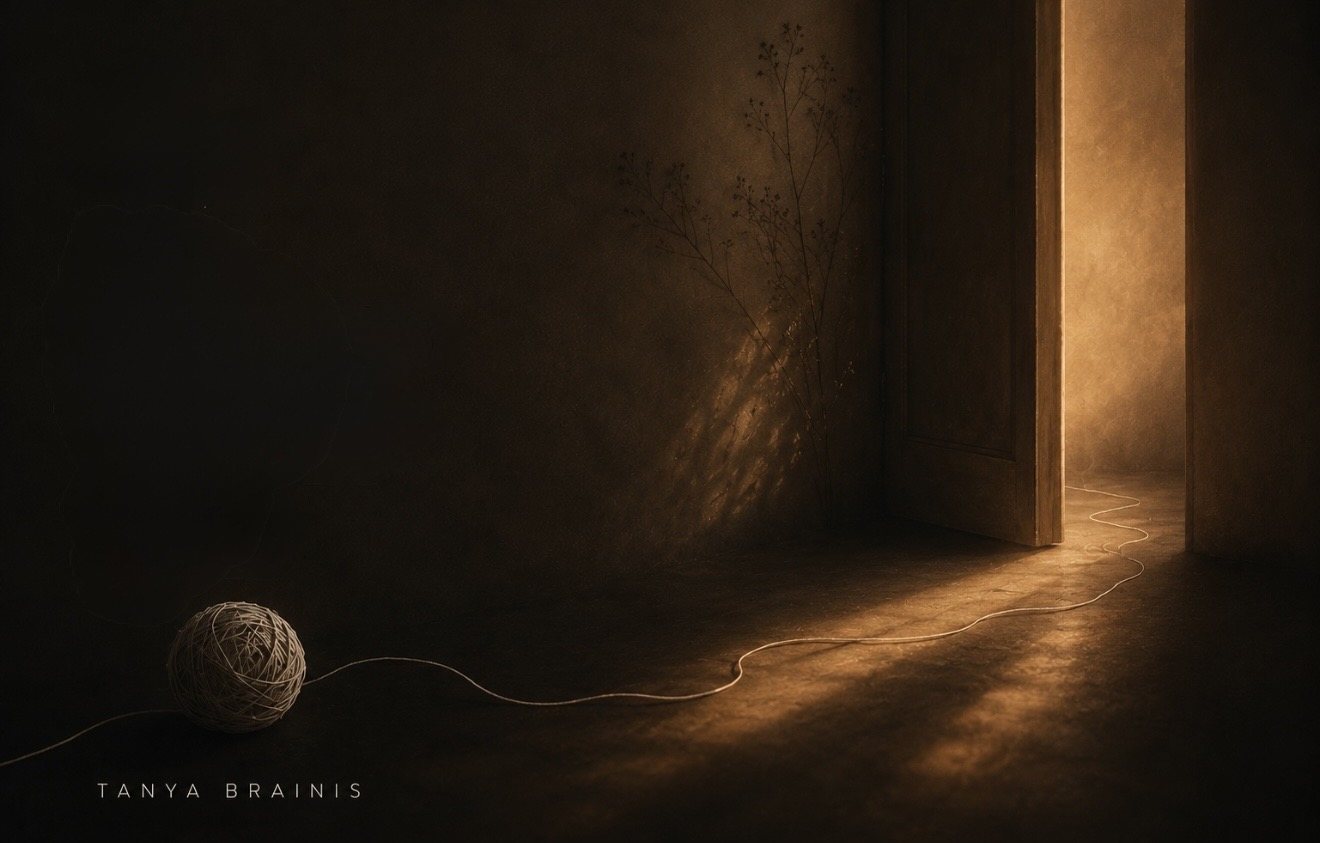
Есть вещи, которые я, как мама, всегда старалась дать своим детям.
Заботу. Безопасность. Поддержку. Дом, в который хочется возвращаться. Возможность ошибаться и знать, что тебя всё равно любят.
Когда им больно, мой первый внутренний импульс очень простой:
Что я могу сделать?
Наверное, в этом вообще очень много материнства.
Увидеть боль и захотеть её уменьшить.
Но чем старше становятся мои дети, тем чаще я сталкиваюсь с гораздо более сложным вопросом:
где заканчивается поддержка и начинается спасательство?
Может быть, иногда любовь к ребёнку заключается не в том, чтобы защитить его от боли.
А в том, чтобы выдержать собственное бессилие, пока он проживает её сам.
Представьте ситуацию.
Ребёнок впервые сам зарабатывает немного денег. Он выполняет небольшие поручения, за которые взрослый обещает ему заплатить.
Для взрослого сумма совсем небольшая.
Для ребёнка всё иначе.
Это его первые заработанные деньги.
Он уже знает, на что хочет их потратить.
Поручения выполнены.
Но деньги остаются у взрослого.
Ребёнок спрашивает, когда сможет ими воспользоваться.
«Потом».
Через какое-то время спрашивает снова.
Опять:
«Потом».
Так проходит не один день.
Ребёнок расстраивается.
Собирается с духом, прежде чем снова задать вопрос.
Начинает бояться реакции взрослого.
Но продолжает спрашивать.
Однажды в ответ слышит:
«Сначала вынеси мусор».
Он выносит.
Ничего не происходит.
Позже появляются новые условия.
Будешь заниматься спортом? Отжиматься? Хорошо чистить зубы?
И тогда ребёнок отвечает:
«Но ведь эти деньги я заработал».
Вот эта фраза кажется мне самой важной во всей истории.
Потому что ребёнок очень точно увидел то, что иногда не замечаем мы, взрослые.
Была договорённость. Он выполнил свою часть. А потом правила изменились.
В конце концов ему разрешают потратить деньги.
Казалось бы, проблема решена.
Но если после этого спросить ребёнка: «Что ты сейчас чувствуешь?» можно услышать неожиданное слово:
Betrayed.
Преданным.
Не злым.
Не обиженным из-за того, что пришлось ждать.
Преданным.
Я знаю эту историю не теоретически.
Очень похожая ситуация произошла в моей семье.
И когда я наблюдала за ней, мне очень хотелось вмешаться.
Объяснить. Защитить. Исправить.
Но я не вмешивалась.
Потому что это были отношения двух близких мне людей.
И ребёнок должен был попробовать сам сказать:
«Мы договаривались не об этом».
Наверное, для меня это и стало самым трудным моментом этой истории.
Не его разочарование.
А необходимость выдержать его разочарование, его боль, не забирая у него возможность самому пройти через этот опыт.
Позже я рассказала об этой ситуации одному своему другу.
Он увидел в ней то, чего сначала не увидела я.
Он сказал примерно следующее:
в жизни ребёнок ещё много раз столкнётся с ситуациями, когда сделает всё правильно, выполнит договорённость, заслужит уважение или вознаграждение, а другой человек всё равно поступит несправедливо.
Начальник. Партнёр. Друг. Кто угодно.
И ему придётся научиться в такие моменты поднимать голову и продолжать поступать правильно.
Мне было важно услышать это именно от мужчины.
Потому что я смотрела на ситуацию прежде всего глазами матери.
Я видела боль ребёнка.
А он увидел ещё и другое:
чему эта боль может его научить?
И я согласна.
Моему сыну тринадцать.
Ему действительно придётся постепенно отделяться от меня.
Ошибаться. Получать последствия. Выдерживать отказ. Разочаровываться в людях. Встречаться с несправедливостью.
Я не хочу вырастить человека, которому для каждого шага нужна мама.
Но к словам моего друга я добавила бы одну вещь.
Поступать правильно не означает молча терпеть.
Иногда правильный поступок звучит так:
«Мы договаривались не об этом».
И именно это сделал мой сын.
Мне хочется, чтобы он сохранил обе способности.
Выдерживать жизнь.
И не предавать себя ради того, чтобы казаться сильным.
Потому что я не хочу, чтобы однажды самостоятельность стала для него синонимом одиночества.
Чтобы «справляться самому» означало:
не просить помощи;
не показывать, что страшно;
не плакать;
не признаваться, что больно;
не нуждаться в другом человеке.
Самостоятельность и эмоциональная недоступность не одно и то же.
Можно самостоятельно решить конфликт и потом рассказать маме, как тебе было больно.
Можно попросить помощи и не перекладывать ответственность за свою жизнь.
Можно любить другого человека и не потерять в нём себя.
Можно плакать и всё равно выдерживать последствия собственных решений.
Я много думаю об этом ещё и потому, что мой сын не раз слышал:
Слишком мягкий.
Плакса.
Чуть что, бежит к мамочке.
Прячется за маминой юбкой.
Мамсик.
Мужчины говорили ему:
«Не плачь. Ты же мужик».
И чем чаще я это слышу, тем сильнее мне хочется спросить:
А мужик это кто?
Тот, кто не плачет?
Или тот, кто не боится признаться, что ему больно?
Тот, кто никогда не просит помощи?
Или тот, кто понимает, когда уже не справляется один?
Тот, кто терпит?
Или тот, кто способен сказать:
«Со мной так нельзя»?
Тот, кому никто не нужен?
Или тот, кто способен любить другого человека, не теряя самого себя?
Иногда мне кажется, что мы вообще очень противоречиво объясняем мальчикам, какими мужчинами они должны стать.
Мы хотим видеть их сильными.
Самостоятельными.
Ответственными.
Способными постоять за себя и обеспечить семью.
Но однажды семья потребует от этого же выросшего мальчика ещё кое-чего.
Говорить.
Слышать другого.
Быть эмоционально рядом.
Признавать ошибки.
Проявлять нежность.
Интересоваться собственными детьми.
Не бояться близости.
Получается, взрослому мужчине однажды потребуется всё сразу.
Выдерживать трудности.
И говорить.
Принимать решения.
И слышать другого.
Защищать.
И быть нежным.
Держать слово.
И уметь сказать: «Я был неправ».
Может быть, наша ошибка начинается именно тогда, когда мы противопоставляем эти качества.
Как будто чувствительный мужчина обязательно слабый.
Как будто сильный мужчина обязательно эмоционально закрытый.
Как будто самостоятельность означает, что тебе никто не нужен.
Как будто близость мальчика с матерью мешает ему однажды стать мужчиной.
Сначала мальчик слышит:
«Не прячься за маминой юбкой».
Потом мужчина:
«Не будь подкаблучником».
А через двадцать лет женщина рядом спрашивает:
«Почему ты со мной не разговариваешь?»
И ребёнок:
«Почему папа мной не интересуется?»
А мужчина иногда совершенно искренне не понимает, чего от него хотят.
Он работает.
Обеспечивает.
Решает проблемы.
Он рядом.
Разве этого недостаточно?
И здесь мне становится сложно винить мужчин.
Потому что за некоторыми эмоционально закрытыми мужчинами я вижу мальчиков, которых когда-то учили именно этому.
Не ной.
Сам разбирайся.
Будь мужиком.
Не показывай слабость.
Возможно, их очень любили.
Через работу.
Через дисциплину.
Через крышу над головой.
Через:
«Я для тебя всё делаю».
И это тоже любовь.
Но есть то, что невозможно оплатить.
Близость.
И тогда возникает другой вопрос: что вообще значит знать своего ребёнка?
Не дату рождения.
Не класс.
Не размер обуви.
А человека.
Кто сейчас его лучший друг?
Чего он боится?
Из-за чего последний раз плакал?
Что заставляет его чувствовать себя неуверенно?
Что произошло с ним на этой неделе такого, о чём он продолжает думать?
Кого он любит?
На кого злится?
О чём мечтает?
И, наверное, самый важный вопрос: если завтра с ним произойдёт что-то действительно серьёзное, вы будете человеком, которому он захочет позвонить?
Не потому, что напротив вашего имени написано «папа» или «мама».
А потому что он знает: вам можно рассказать.
Когда близкий мне мужчина впервые прочитал эту статью, он очень резко отреагировал.
Он увидел в ней обвинение.
Нападение на отца.
На мужчин.
Ему показалось, что история ребёнка стала оружием во взрослом конфликте.
Что такой текст нельзя публиковать.
На следующий день он позвонил мне.
Он перечитал статью.
И сказал:
«Статья меня задела».
Его первой реакцией было защищаться.
Защитить мужчину, о котором я пишу.
Защитить других мужчин.
Наверное, в каком-то смысле защитить самого себя.
И после этого разговора я подумала: возможно, именно так эту статью прочтут некоторые мужчины.
Возможно, кому-то захочется со мной спорить.
Сказать, что я слишком опекаю ребёнка.
Что мальчики должны становиться жёстче, а я слишком много значения придаю чувствам.
Что мужчины проявляют любовь иначе.
Что они работают ради семьи.
Что невозможно одновременно зарабатывать деньги, решать все проблемы и ещё бесконечно разговаривать о чувствах.
И я не хочу спорить.
Потому что я не знаю, как правильно.
Никто из нас не знает.
Я не знаю, каким окажется мой собственный способ воспитания через десять или двадцать лет.
Не знаю, за что мои дети однажды будут мне благодарны.
И за что им придётся меня простить.
Я могу говорить только о том, что вижу сегодня.
И задавать вопросы.
Не:
«Хороший ли вы отец?»
А:
«Знаете ли вы своего ребёнка?»
Не:
«Достаточно ли вы ему дали?»
А:
«Что из того, что ему было нужно, вы могли не заметить?»
И я задаю те же вопросы себе.
Потому что моя эмоциональная близость с детьми тоже не гарантирует, что я всё делаю правильно.
Мне трудно выдерживать их боль.
Иногда очень трудно.
Но я не хочу вставать между ними и жизнью.
Я хочу другого.
Много лет назад я дала себе обещание:пока мои дети растут, я буду делать всё, что могу, чтобы наш дом оставался для них тихой гаванью.
Не местом без конфликтов.
Мы ссоримся.
Я злюсь.
Они злятся на меня.
Я ошибаюсь и прошу за это прощения.
Тихая гавань для меня означает другое.
Здесь тебе не нужно притворяться.
Ты можешь прийти домой после того, как тебя отвергли.
После того, как предал друг.
После первой разбитой любви.
После собственной ошибки.
После решения, о котором я тебя предупреждала.
Ты можешь ничего мне не рассказывать.
Я подожду.
Но если однажды ты придёшь и скажешь: «Мне больно», я не хочу отвечать: «Такова жизнь».
Если скажешь: «Мне страшно», я не хочу говорить: «Будь сильнее».
Если скажешь: «Я не знаю, что делать», я не обязательно побегу решать это за тебя.
Но я хочу, чтобы ты знал: тебе не обязательно справляться в одиночестве, чтобы доказать, что ты взрослый.
Я не могу обеспечить своим детям жизнь без боли.
И не могу обеспечить им любовь другого человека.
Не могу заставить кого-то интересоваться ими.
Звонить.
Спрашивать.
Выполнять обещания.
Быть рядом.
Не могу создать близость между двумя людьми усилиями третьего.
И, наверное, моя задача не в том, чтобы заполнить собой каждую пустоту.
А в том, чтобы ребёнок однажды не решил: эта пустота существует потому , что со мной что-то не так.
И ещё я всё чаще думаю о том, что мы называем взрослением.
Иногда ребёнок перестаёт просить, и взрослые радуются:
«Наконец-то стал самостоятельным».
Но всегда ли это самостоятельность?
Иногда да.
Он научился делать сам.
Решать сам.
Выдерживать сам.
А иногда ребёнок перестаёт просить совсем по другой причине.
Он больше не верит, что есть смысл просить.
Сначала спрашивает.
Потом напоминает.
Потом расстраивается.
Потом ещё немного ждёт.
А потом адаптируется.
Перестаёт рассказывать.
Перестаёт спрашивать.
Перестаёт искать ваш взгляд.
Перестаёт ждать звонка.
Перестаёт ждать, что вы сделаете первый шаг.
Со стороны это иногда действительно похоже на взросление.
Но внутри может происходить совсем другое.
Ребёнок просто учится жить без ожидания от вас.
И вот этого я боюсь гораздо больше детских слёз.
Потому что пока ребёнок злится, спорит, требует, плачет, приходит рассказывать, между вами ещё есть ожидание.
Он всё ещё верит, что вы можете услышать.
Самое страшное начинается не тогда, когда ребёнку от вас слишком много нужно.
А тогда, когда ему от вас уже ничего не нужно.
Поэтому у меня нет ответа на вопрос, как правильно растить детей. Есть только вопрос, который я всё чаще задаю самой себе:
Я учу своего ребёнка жить самостоятельно или учу его обходиться без меня?
И ещё один:
знает ли он, что может уйти в свою жизнь настолько далеко, насколько ему нужно, и всё равно однажды вернуться домой без необходимости притворяться, что с ним всё в порядке?
Потому что, наверное, наша задача не в том, чтобы удержать детей рядом.
И не в том, чтобы защитить их от жизни.
А в том, чтобы однажды отпустить их в эту жизнь, не заставив перед этим научиться жить без любви.
Письмо
When children stop waiting
The hardest moment is not when a child needs too much from you. It is when they no longer need anything from you.
There are things that I, as a mother, have always tried to give to my children.
Care. Safety. Support. A home you want to return to. The opportunity to make mistakes and know that you are still loved.
When they hurt, my first internal impulse is very simple:
What can I do?
There’s probably a lot of motherhood in this.
See the pain and want to reduce it.
But the older my children get, the more often I am faced with a much more difficult question:
Where does support end and rescue begin?
Maybe sometimes loving a child is not about protecting him from pain.
But to withstand his own powerlessness while he lives it himself.
Imagine the situation.
For the first time, the child earns some money on his own. He carries out small tasks for which the adult promises to pay him.
For an adult the amount is quite small.
For a child everything is different.
This is his first money earned.
He already knows what he wants to spend it on.
The orders have been completed.
But the money remains with the adult.
The child asks when he can use them.
"Later."
After some time he asks again.
Again:
"Later."
More than one day goes by like this.
The child gets upset.
She gathers her courage before asking the question again.
Begins to fear the adult's reaction.
But he keeps asking.
One day he hears in response:
“Take out the trash first.”
He endures.
Nothing happens.
Later, new conditions appear.
Will you play sports? Do push-ups? Is it good to brush your teeth?
And then the child answers:
“But I earned this money.”
This phrase seems to me the most important in the whole story.
Because the child saw very accurately what we adults sometimes don’t notice.
There was an agreement. He did his part. And then the rules changed.
Eventually he is allowed to spend the money.
It would seem that the problem is solved.
But if after this you ask the child: “How do you feel now?” you can hear an unexpected word:
Betrayed.
Betrayed.
Not angry.
Not upset because he had to wait.
Betrayed.
I don't know this story theoretically.
A very similar situation happened in my family.
And when I watched her, I really wanted to intervene.
Explain. Protect. To correct.
But I didn't interfere.
Because it was a relationship between two people close to me.
And the child had to try to say himself:
"This is not what we agreed on."
This was probably the most difficult moment of this story for me.
Not his disappointment.
And the need to withstand his disappointment, his pain, without taking away his opportunity to go through this experience himself.
Later I told one of my friends about this situation.
He saw in her something that I didn’t see at first.
He said something like this:
in life, a child will encounter situations many times when he will do everything right, fulfill an agreement, earn respect or reward, but the other person will still act unfairly.
Chief. Partner. Friend. Anyone.
And he will have to learn to raise his head in such moments and continue to do the right thing.
It was important for me to hear this from a man.
Because I looked at the situation primarily through the eyes of my mother.
I saw the child's pain.
And he saw something else:
what can this pain teach him?
And I agree.
My son is thirteen.
He will really have to gradually separate himself from me.
To be wrong. Receive consequences. Withstand rejection. Be disappointed in people. Facing injustice.
I don't want to raise a person who needs his mother for every step.
But I would add one thing to my friend’s words.
Doing the right thing does not mean tolerating it in silence.
Sometimes the right thing to do looks like this:
"This is not what we agreed on."
And that's exactly what my son did.
I want him to retain both abilities.
Endure life.
And don’t betray yourself in order to appear strong.
Because I don’t want one day independence to become synonymous with loneliness for him.
To “do it yourself” meant:
don't ask for help;
do not show that it is scary;
don't cry;
not admitting that it hurts;
not needing another person.
Independence and emotional unavailability are not the same thing.
You can resolve the conflict yourself and then tell your mom how painful it was for you.
You can ask for help and not shift responsibility for your life.
You can love another person and not lose yourself in him.
You can cry and still endure the consequences of your own decisions.
I also think about this a lot because my son has heard more than once:
Too soft.
Crybaby.
Almost immediately he runs to mommy.
Hiding behind mom's skirt.
Mama's boy.
The men told him:
"Don't cry. You're a man."
And the more often I hear this, the more I want to ask:
Who is this guy?
The one who doesn't cry?
Or someone who is not afraid to admit that he is hurt?
The one who never asks for help?
Or the one who understands when he can no longer cope alone?
The one who endures?
Or someone who is able to say:
“You can’t do this with me”?
The one who doesn't need anyone?
Or someone who is able to love another person without losing himself?
Sometimes it seems to me that we are generally very contradictory in explaining to boys what kind of men they should become.
We want to see them strong.
Independent.
Responsible.
Able to fend for themselves and provide for their family.
But one day the family will demand something more from this same grown boy.
Speak.
Hear another.
Be emotionally close.
Admit mistakes.
Show tenderness.
Be interested in your own children.
Don't be afraid of intimacy.
It turns out that an adult man will one day need everything at once.
Withstand difficulties.
And talk.
Make decisions.
And hear the other.
Protect.
And be gentle.
Keep your word.
And be able to say: “I was wrong.”
Perhaps our mistake begins precisely when we contrast these qualities.
As if a sensitive man is necessarily weak.
As if a strong man is necessarily emotionally closed.
As if being independent means you don't need anyone.
It’s as if the boy’s closeness to his mother prevents him from one day becoming a man.
First the boy hears:
“Don’t hide behind your mother’s skirt.”
Then the man:
“Don’t be henpecked.”
And twenty years later, a woman next to me asks:
"Why aren't you talking to me?"
And the child:
“Why isn’t dad interested in me?”
And a man sometimes quite sincerely does not understand what they want from him.
It works.
Provides.
Solves problems.
He's nearby.
Isn't that enough?
And this is where it becomes difficult for me to blame men.
Because behind some emotionally closed men, I see boys who were once taught exactly this.
No noah.
Figure it out yourself.
Be a man.
Don't show weakness.
Perhaps they were very loved.
Through work.
Through discipline.
Through the roof over your head.
Via:
“I do everything for you.”
And this is also love.
But there is something that cannot be paid.
Closeness.
And then another question arises: what does it even mean to know your child?
Not date of birth.
Not class.
Not shoe size.
And a person.
Who is his best friend now?
What is he afraid of?
What was the last thing you cried about?
What makes him feel insecure?
What happened to him this week that he keeps thinking about?
Who does he love?
Who is he angry with?
What does he dream about?
And perhaps the most important question: if something really serious happened to him tomorrow, would you be the person he would want to call?
Not because it says “Dad” or “Mom” next to your name.
But because he knows: you can tell.
When a man close to me first read this article, he reacted very strongly.
He saw it as an accusation.
Attack on father.
For men.
It seemed to him that the child’s story had become a weapon in an adult conflict.
That such text cannot be published.
The next day he called me.
He re-read the article.
And said:
“The article hurt me.”
His first reaction was to defend himself.
To protect the man I am writing about.
Protect other men.
Probably, in a sense, to protect myself.
And after this conversation I thought: perhaps this is how some men will read this article.
Perhaps someone will want to argue with me.
Say that I am too protective of the child.
That boys should become tougher, and I attach too much importance to feelings.
That men show love differently.
That they work for the sake of the family.
That it is impossible to make money, solve all problems and talk endlessly about feelings at the same time.
And I don't want to argue.
Because I don't know what's right.
None of us know.
I don't know what my own parenting style will be like in ten or twenty years.
I don't know what my children will be grateful to me for one day.
And for which they will have to forgive me.
I can only talk about what I see today.
And ask questions.
Not:
“Are you a good father?”
A:
“Do you know your child?”
Not:
“Did you give him enough?”
A:
“What was it that he needed that you might not have noticed?”
And I ask the same questions to myself.
Because my emotional closeness with my children also does not guarantee that I am doing everything right.
I find it difficult to bear their pain.
Sometimes it's very difficult.
But I don't want to come between them and life.
I want something else.
Many years ago, I made a promise to myself: while my children were growing up, I would do everything I could to keep our home a safe haven for them.
Not a place without conflict.
We are quarreling.
I'm angry.
They're mad at me.
I'm wrong and I apologize for that.
A safe haven means something different to me.
You don't have to pretend here.
You can come home after being rejected.
After being betrayed by a friend.
After the first broken love.
After my own mistake.
After the decision I warned you about.
You don't have to tell me anything.
I'll wait.
But if one day you come and say, “I’m hurting,” I do not want to answer, “That’s life.”
If you say: "I'm scared", I don't want to say: "Be stronger."
If you say: “I don’t know what to do,” I won’t necessarily run to solve it for you.
But I want you to know that you don't have to cope alone to prove you're an adult.
I cannot provide my children with a pain-free life.
And I cannot provide them with the love of another person.
I can't get anyone to be interested in them.
Call.
Ask.
Keep promises.
To be close.
I cannot create intimacy between two people through the efforts of a third.
And, probably, my task is not to fill every void.
And the point is that the child does not one day decide: this emptiness exists because something is wrong with me.
And I also think more and more often about what we call growing up.
Sometimes a child stops asking, and adults rejoice:
“Finally became independent.”
But is this always independence?
Sometimes yes.
He learned to do it himself.
Decide for yourself.
Withstand it yourself.
And sometimes a child stops asking for a completely different reason.
He no longer believes that there is any point in asking.
First he asks.
Then he reminds.
Then he gets upset.
Then he waits a little more.
And then it adapts.
Stops talking.
Stops asking.
Stops looking for your gaze.
Stops waiting for a call.
Stops waiting for you to take the first step.
From the outside it sometimes really looks like growing up.
But something completely different may be happening inside.
The child simply learns to live without expectations from you.
And this is what I fear much more than children’s tears.
Because while a child is still angry, arguing, demanding, crying, and coming to you with their stories, there is still an expectation between you.
He still believes that you can hear.
The worst thing doesn’t begin when your child needs too much from you.
And then when he no longer needs anything from you.
Therefore, I do not have an answer to the question of how to raise children correctly. There is only a question that I increasingly ask myself:
Am I teaching my child to live independently or am I teaching him to do without me?
And one more:
does he know that he can go as far into his life as he needs to and still come home one day without having to pretend he's okay?
Because, probably, our task is not to keep children close.
And it’s not about protecting them from life.
And the point is to one day let them go into this life without first forcing them to learn to live without love.
Письмо
Cuando los hijos dejan de esperar
Lo más duro no llega cuando un hijo necesita demasiado de ti, sino cuando ya no necesita nada de ti.
Hay cosas que yo, como madre, siempre he tratado de darles a mis hijos.
Cuidado. Seguridad. Apoyo. Un hogar al que quieres volver. La oportunidad de cometer errores y saber que todavía eres amado.
Cuando a ellos les duele algo, mi primer impulso es muy simple:
¿Qué puedo hacer?
Probablemente haya mucho de maternidad en esto.
Ver el dolor y querer reducirlo.
Pero cuanto más crecen mis hijos, más a menudo me enfrento a una pregunta mucho más difícil:
¿Dónde termina el apoyo y comienza el rescate?
Quizás a veces amar a un niño no se trata de protegerlo del dolor.
Sino de soportar su propia impotencia mientras él mismo la vive.
Imagínese la situación.
Por primera vez, el niño gana algo de dinero por sí solo. Realiza pequeñas tareas por las que el adulto promete pagarle.
Para un adulto la cantidad es bastante pequeña.
Para un niño todo es diferente.
Este es el primer dinero que gana.
Él ya sabe en qué quiere gastarlo.
Los pedidos se han completado.
Pero el dinero se queda con el adulto.
El niño pregunta cuándo puede utilizarlos.
"Más tarde."
Después de un tiempo vuelve a preguntar.
De nuevo:
"Más tarde."
Más de un día pasa así.
El niño se enoja.
Ella reúne coraje antes de volver a hacer la pregunta.
Comienza a temer la reacción del adulto.
Pero él sigue preguntando.
Un día escucha como respuesta:
"Saca la basura primero".
Él aguanta.
No pasa nada.
Posteriormente aparecen nuevas condiciones.
¿Harás deporte? ¿Hacer flexiones? ¿Es bueno cepillarse los dientes?
Y entonces el niño responde:
“Pero yo gané este dinero”.
Esta frase me parece la más importante de toda la historia.
Porque el niño vio con mucha precisión lo que los adultos a veces no notamos.
Hubo un acuerdo. Él hizo su parte. Y luego las reglas cambiaron.
Al final se le permite gastar el dinero.
Parecería que el problema está solucionado.
Pero si después de esto le preguntas al niño: “¿Cómo te sientes ahora?” se puede escuchar una palabra inesperada:
Traicionado.
Traicionado.
No enfadado.
No molesto por haber tenido que esperar.
Traicionado.
No conozco esta historia teóricamente.
En mi familia pasó una situación muy similar.
Y cuando la miré, tenía muchas ganas de intervenir.
Explique. Proteger. Para corregir.
Pero no interferí.
Porque era una relación entre dos personas cercanas a mí.
Y el niño tuvo que intentar decirse a sí mismo:
"Esto no es lo que acordamos."
Este fue probablemente el momento más difícil de esta historia para mí.
No su decepción.
Y la necesidad de soportar su decepción, su dolor, sin quitarle la oportunidad de vivir esta experiencia él mismo.
Más tarde le conté a uno de mis amigos sobre esta situación.
Vio en ella algo que yo no vi al principio.
Dijo algo como esto:
En la vida, un niño se encontrará muchas veces con situaciones en las que hará todo bien, cumplirá un acuerdo, se ganará el respeto o la recompensa, pero la otra persona seguirá actuando injustamente.
Jefe. Pareja. Amigo. Alguien.
Y tendrá que aprender a levantar la cabeza en esos momentos y seguir haciendo lo correcto.
Para mí era importante escuchar esto de un hombre.
Porque vi la situación principalmente a través de los ojos de mi madre.
Vi el dolor del niño.
Y vio algo más:
¿Qué le puede enseñar este dolor?
Y estoy de acuerdo.
Mi hijo tiene trece años.
Realmente tendrá que separarse gradualmente de mí.
Estar equivocado. Recibir consecuencias. Resiste el rechazo. Estar decepcionado con la gente. Frente a la injusticia.
No quiero criar a una persona que necesita a su madre en cada paso.
Pero añadiría una cosa a las palabras de mi amigo.
Hacer lo correcto no significa tolerarlo en silencio.
A veces lo correcto se ve así:
"Esto no es lo que acordamos."
Y eso es exactamente lo que hizo mi hijo.
Quiero que conserve ambas habilidades.
Aguanta la vida.
Y no te traiciones para parecer fuerte.
Porque no quiero que algún día la independencia se convierta para él en sinónimo de soledad.
"Hágalo usted mismo" significaba:
no pidas ayuda;
no demuestres que da miedo;
no llores;
no admitir que duele;
no necesitar a otra persona.
Independencia e indisponibilidad emocional no son lo mismo.
Puedes resolver el conflicto tú mismo y luego decirle a tu mamá lo doloroso que fue para ti.
Puede pedir ayuda y no desviar la responsabilidad de su vida.
Puedes amar a otra persona y no perderte en ella.
Puedes llorar y aún así soportar las consecuencias de tus propias decisiones.
También pienso mucho en esto porque mi hijo ha escuchado más de una vez:
Demasiado suave.
Llorón.
Casi de inmediato corre hacia mamá.
Escondiéndose detrás de la falda de mamá.
Niño de mamá.
Los hombres le dijeron:
"No llores. Eres un hombre."
Y cuanto más escucho esto, más quiero preguntar:
¿Quién es este chico?
¿El que no llora?
¿O alguien que no tiene miedo de admitir que está herido?
¿El que nunca pide ayuda?
¿O el que comprende cuando ya no puede arreglárselas solo?
¿El que aguanta?
O alguien que sea capaz de decir:
“¿No puedes hacer esto conmigo”?
¿El que no necesita a nadie?
¿O alguien que sea capaz de amar a otra persona sin perderse a sí mismo?
A veces me parece que, en general, somos muy contradictorios al explicar a los niños qué tipo de hombres deberían ser.
Queremos verlos fuertes.
Independientes.
Responsables.
Capaces de valerse por sí mismos y mantener a su familia.
Pero un día la familia exigirá algo más de este mismo niño adulto.
Hablar.
Escuche otro.
Estar emocionalmente cerca.
Admitir errores.
Muestra ternura.
Interésate por tus propios hijos.
No tengas miedo de la intimidad.
Resulta que un hombre adulto algún día necesitará todo a la vez.
Resiste las dificultades.
Y habla.
Toma decisiones.
Y escucha al otro.
Proteger.
Y sé gentil.
Cumple tu palabra.
Y poder decir: “Me equivoqué”.
Quizás nuestro error comience precisamente cuando contrastamos estas cualidades.
Como si un hombre sensible fuera necesariamente débil.
Como si un hombre fuerte estuviera necesariamente cerrado emocionalmente.
Como si ser independiente significara no necesitar a nadie.
Es como si la cercanía del niño a su madre le impidiera convertirse algún día en un hombre.
Primero el niño escucha:
“No te escondas detrás de la falda de tu madre.”
Entonces el hombre:
“No te dejes dominar.”
Y veinte años después, una mujer a mi lado pregunta:
"¿Por qué no me hablas?"
Y el niño:
“¿Por qué papá no está interesado en mí?”
Y un hombre a veces, sinceramente, no comprende lo que quieren de él.
Funciona.
Proporciona.
Resuelve problemas.
Él está cerca.
¿No es suficiente?
Y aquí es donde me resulta difícil culpar a los hombres.
Porque detrás de algunos hombres emocionalmente cerrados, veo chicos a quienes alguna vez les enseñaron exactamente esto.
No, noé.
Descúbrelo tú mismo.
Sea un hombre.
No muestres debilidad.
Quizás fueron muy amados.
A través del trabajo.
A través de la disciplina.
A través del techo sobre tu cabeza.
Vía:
“Hago todo por ti”.
Y esto también es amor.
Pero hay algo que no se puede pagar.
Cercanía.
Y entonces surge otra pregunta: ¿qué significa conocer a su hijo?
No fecha de nacimiento.
No clase.
No talla de zapato.
Y una persona.
¿Quién es su mejor amigo ahora?
¿A qué tiene miedo?
¿Qué fue lo último por lo que lloraste?
¿Qué le hace sentir inseguro?
¿Qué le pasó esta semana en lo que sigue pensando?
¿A quién ama?
¿Con quién está enojado?
¿Con qué sueña?
Y quizás la pregunta más importante: si algo realmente grave le pasara mañana, ¿serías tú a quien querría llamar?
No porque diga "papá" o "mamá" al lado de tu nombre.
Pero porque él sabe: se nota.
Cuando un hombre cercano a mí leyó este artículo por primera vez, reaccionó con mucha fuerza.
Lo vio como una acusación.
Ataque al padre.
Para hombres.
Le parecía que la historia del niño se había convertido en un arma en un conflicto de adultos.
Que dicho texto no pueda publicarse.
Al día siguiente me llamó.
Volvió a leer el artículo.
Y dijo:
“El artículo me dolió.”
Su primera reacción fue defenderse.
Para proteger al hombre sobre el que estoy escribiendo.
Protege a otros hombres.
Probablemente, en cierto sentido, para protegerme.
Y después de esta conversación pensé: quizás así es como algunos hombres leerán este artículo.
Quizás alguien quiera discutir conmigo.
Di que soy demasiado protector con el niño.
Que los chicos deberían volverse más duros y le doy demasiada importancia a los sentimientos.
Que los hombres demuestran el amor de otra manera.
Que trabajen por el bien de la familia.
Que es imposible ganar dinero, solucionar todos los problemas y hablar interminablemente de sentimientos al mismo tiempo.
Y no quiero discutir.
Porque no sé qué es lo correcto.
Ninguno de nosotros lo sabe.
No sé cómo será mi estilo de crianza dentro de diez o veinte años.
No sé qué me agradecerán mis hijos algún día.
Y por lo cual tendrán que perdonarme.
Sólo puedo hablar de lo que veo hoy.
Y haz preguntas.
No:
“¿Eres un buen padre?”
R:
“¿Conoce a su hijo?”
No:
“¿Le diste lo suficiente?”
R:
“¿Qué era lo que necesitaba y que quizás no te hayas dado cuenta?”
Y me hago las mismas preguntas a mí mismo.
Porque mi cercanía emocional con mis hijos tampoco garantiza que esté haciendo todo bien.
Me resulta difícil soportar su dolor.
A veces es muy difícil.
Pero no quiero interponerme entre ellos y la vida.
Quiero algo más.
Hace muchos años, me hice una promesa: mientras mis hijos crecieran, haría todo lo posible para mantener nuestro hogar como un refugio seguro para ellos.
No es un lugar sin conflictos.
Estamos peleando.
Me enfado.
Están enojados conmigo.
Me equivoqué y pido disculpas por ello.
Un refugio seguro significa algo diferente para mí.
No tienes que fingir aquí.
Puedes volver a casa después de haber sido rechazado.
Después de ser traicionado por un amigo.
Después del primer amor roto.
Después de mi propio error.
Después de la decisión de la que te advertí.
No tienes que decirme nada.
Esperaré.
Pero si un día vienes y dices: «Me duele», no quiero responder: «Así es la vida».
Si dices: "Tengo miedo", no quiero decir: "Sé más fuerte".
Si dices: “No sé qué hacer”, no necesariamente correré a resolverlo por ti.
Pero quiero que sepas que no tienes que arreglártelas solo para demostrar que eres un adulto.
No puedo brindarles a mis hijos una vida sin dolor.
Y no puedo brindarles el amor de otra persona.
No consigo que nadie se interese por ellos.
Llamar.
Preguntar.
Cumpla las promesas.
Estar cerca.
No puedo crear intimidad entre dos personas mediante los esfuerzos de una tercera.
Y, probablemente, mi tarea no sea llenar todos los vacíos.
Y la cuestión es que el niño no decide un día: este vacío existe porque algo anda mal en mí.
Y también pienso cada vez más en lo que llamamos crecer.
A veces un niño deja de preguntar y los adultos se alegran:
“Finalmente me independicé.”
¿Pero esto es siempre independencia?
A veces si.
Aprendió a hacerlo él mismo.
Decide por ti mismo.
Resístelo tú mismo.
Y a veces un niño deja de preguntar por un motivo completamente diferente.
Ya no cree que tenga sentido preguntar.
Primero pregunta.
Luego recuerda.
Luego se enoja.
Luego espera un poco más.
Y luego se adapta.
Deja de hablar.
Deja de preguntar.
Deja de buscar tu mirada.
Deja de esperar una llamada.
Deja de esperar a que des el primer paso.
Desde fuera a veces parece que estamos creciendo.
Pero en el interior puede estar sucediendo algo completamente diferente.
El niño simplemente aprende a vivir sin expectativas de ti.
Y esto es lo que temo mucho más que las lágrimas de los niños.
Porque mientras un niño todavía se enfada, discute, exige, llora y viene a contarte sus cosas, entre vosotros aún queda la expectativa de que lo escucharás.
Él todavía cree que se puede oír.
Lo peor no comienza cuando tu hijo necesita demasiado de ti.
Y luego, cuando ya no necesite nada de ti.
Por tanto, no tengo respuesta a la pregunta de cómo educar correctamente a los niños. Sólo hay una pregunta que me hago cada vez más:
¿Le estoy enseñando a mi hijo a vivir de forma independiente o le estoy enseñando a vivir sin mí?
Y uno más:
¿Sabe que puede llegar tan lejos en su vida como necesite y aún así volver a casa algún día sin tener que fingir que está bien?
Porque, probablemente, nuestra tarea no sea mantener a los niños cerca.
Y no se trata de protegerlos de la vida.
Y el punto es algún día dejarlos ir a esta vida sin obligarlos primero a aprender a vivir sin amor.